Showing posts with label Palm Warbler. Show all posts

Wednesday, November 20, 2013

Last Autumnal Breaths of Cadmium and Aureolin Yellow with Palm Warbler Only Passing Through


Last breaths of cadmium and aureolin yellow 
falling through another season of autumn . . . 
 as it falls through us . . . only passing through it all . . . 
Rock Maples stand mighty and tall.


Miscanthus yellow blazes sigh with tassels reaching upwards ten feet high. 


Standing nearby, soft rustling songs become more an undertone as lengthy, waving blades . . .  yellow . . .  then fade, and float towards the leafy floor. 


A brighter, fleeting yellow reflecting tones of our November garden and landscape . . . little Palm Warbler . . . only passing through, where I used to believe you stayed and bred your brood. You are headed south now to the southerly edges of the United States or perhaps you prefer the Caribbean after spending summer months in the brisk provinces of Canada.


I last sighted one of your kind in the month of April on his way to points further north. There was such a promise of green back then and plenty of food to keep this sunny songbird content in lingering within our community for a cluster of days.


I can see you are a different bird all together from the Palm Warbler I so delighted in this spring. Wishing you a safe journey to wherever you choose to overwinter and hopefully with vernal vegetation anew, I will be here to see your cheery, cadmium yellow plumes mirroring clumps of merry daffodils.


Tree Swallows do return and remain every spring and summer, raising spirited broods here in the south field within the weathered walls of our rustic nest box . . . now being choked by bittersweet as it takes its last gulps of duller yellow.


Our weepy cherry's yellow canopy now lies in a buttery carpet around its twenty-year old main stem.  


Asparagus gone wild, flames cobalt-yellow before our Metasequoia gone russet about the north field. 


A couple of our crabapple trees, within the small orchard, make shiny, yellow spheres . . . tiny apples tasty to birds, throughout the winter months.


While on the ground, beneath our oldest apple tree, the vermilion stream of fruit has become a favorite rivulet for our resident White-tailed Deer to step into. Soon the flow of apples will run dry and that is, as it should be.

Beware brown eyes . . . it is the hour of hunting season of your clan . . . by man . . . who hopes to eat you, apples and all. And I could say . . . if with integrity and honor this beautiful beast comes to be . . .  venison . . . that too might be . . . as it should be. Still, I will continue to whisper . . . "Stay close and you will be safe." Heed yellow's warning . . . with your usual caution . . . stepping through the land beyond this land.


Wednesday, April 17, 2013

Flower Hill Farm Butterflies of 2012 ~ Fritillaries


Todays segment of 'Flower Hill Farm Butterflies of 2012' features the boldly flecked Fritillaries. It seems the only Fritillary that flies about our gardens these days is the Greater Spangled Fritillary Speyeria cybele. Early on, I mistakenly identified these butterflies as Aphrodite Fritillary, but the eminent Lepidopterist Randy Emmitt pointed out that the large beige band near the edge of the outer hindwing indicates that these are in fact Greater Spangled Fritillaries

I do so enjoy these butterflies whatever we humans tend to call them. There is but one single flight period for the fritillaries beginning in June and stretching into early September.


Giant Ironweed Vernonia gigantea is a native butterfly magnet with nourishing nectar for many butterflies and bees. I would never call it a weed, for it is very showy and stands beautifully with other late summer plants. The flowers are lovely especially when wearing strikingly, speckled wings.


Monarch butterflies frequent this valued native too. 


Fritillaries also love our non native butterfly bush. We only have the one plant which dies back each year. I have never seen a seedling. If you live in a more temperate climate, Buddleia can and does become invasive through seeding, I believe . . . so you might be sure to deadhead or consider alternatives. I confess to loving my sole bush, as long as it behaves, that offers long plump, purple, panicles of blooms for all sorts of butterflies and bees to land upon. A little Skipper sips near the Greater Spangled Fritillary. Hummingbirds also love this native of China. Climate change may well make this species an unwelcome visitor, but for now it is a showy and giving member of our garden just outside the farmhouse and studio.


A Painted Lady nectars along side two Fritillary butterflies.


Joe Pye weed Eutrochium purpureum, is another great native that Fritillaries, along with other butterflies, moths and bees are attracted to for its bounty of nectar. This tall member of the Asteraceae family is a comely, compatible companion to the impressive Giant Ironweed.

The wide beige band between the two rows of white markings is clearly illustrated in the image above. Again, this is a telltale sign that the butterfly is a Greater Spangled Fritillary and not an Aphrodite. I imagine the name greater spangled is for the glint of the white, silvery-spotted wings.
The first instar Fritillary caterpillar overwinters here beneath or near a violet plant its mother Fritillary would have fastened its egg to towards the end of August or early September. Once out of the egg the tiny caterpillar eats only the egg casing before dropping or crawling down to find a leaf or other detritus to serve as protective cover throughout the winter. Remember not to be such a fastidious gardener and instead leave safe houses for lots of overwintering caterpillars, chrysalises and butterflies.

The Fritillary caterpillars, that survive the birds and rabbits, will awake in May when the violets begin to leaf out and munch their way into June, until they feel an urge for change and seek a safe rock or log where they can privately morph into a brown chrysalis. With the passing of two weeks or so a butterfly will emerge . . . the males usually emerge first flitting about seeking a suitable female who pushes her way out of the chrysalis a bit later than the males.


Speaking of males, I was drawn away from my writing this morning by these toms way down by the forest edge.  I could not lift the lens that would make these more vivid images. Wild Turkeys are busy stepping around lifting up leaves and debris in search of some of those overwintering delectables I have been writing about in this series of butterfly posts.


Shooting into the sun does not make for very vivid photos either but I love the way the tom's wattles are lit up by the bright early morning light. I am afraid the Wild Turkeys notice my presence, when I step out to get a better look, and quickly take off to the lower lands and into the cover of the forest.


I usually hear Wild Turkeys before I see them . . .  for there is some impressive courtship and alpha male vocalizing going on right now. I note a few hens in a lower field, while the toms are still stepping out together. There will be a split up soon and a group of toms will go off on their own leaving the dominant gobbler to care for the hens. I hope they have not found too many of the overwintering caterpillars and chrysalises and yet I want these beasts to be healthy and happy too.


My first 2013 sighting, just this morning, of a Palm Warbler  Dendroica palmarum. I notice at once that this little guy is busy scurrying along the ground looking for those tiny morsels of caterpillar and chrysalis like the robins, turkeys and bluebirds. I am so amazed any butterflies ever make it to fly in our gardens and fields.


This sweet songbird may have made it back here from Florida or as far as the Caribbean.  


Next up on the Butterflies of 2012 I will share some of our resident Skippers and then a post on the Monarchs before the grand finale. 


Saturday, April 30, 2011

Birds in Review Part XXXVI 'A Bird Parade' Spring Returns


It's A Bird . . . No A Bud. . . A Corolla . . . A Blossom . . . A Spring Bird and Bud Parade!

Chionodoxa forbesii

Nesting Eastern Bluebirds Sialia sialis

American Robins Turdus migratorius 

Chaenomeles 'Flowering Quince' 


Serenading Northern Cardinal Cardinalis cardinalis

Alluring Viburnum carlesii

A Winter Keeper . . . Spring Creeping Brown Creeper Certhia americana 

Fairytale Lilac Cluster Emerging

Eastern Phoebe Sayornis phoebe Wings Its Way From Tight Buds To . . . 

 Sprouting Lilac Limbs


Flitting Palm Warbler Dendroica palmarum


Earlier Arriver 


Tree Swallows Tachycineta bicolor

The 'Star' of The Garden Now Magnolia stellata

Tree Swallows Fill the Sky With Song and Fanciful Flight of Pure Delight!


Dreaded Brown-headed Cowbirds Molothrus ater


Tiny Ruby-crowned Kinglet Regulus calendula is so thrilled, he can hardly sit still.


Hiding a Ruby Crown

Yellow-rumped Warbler Dendroica coronata

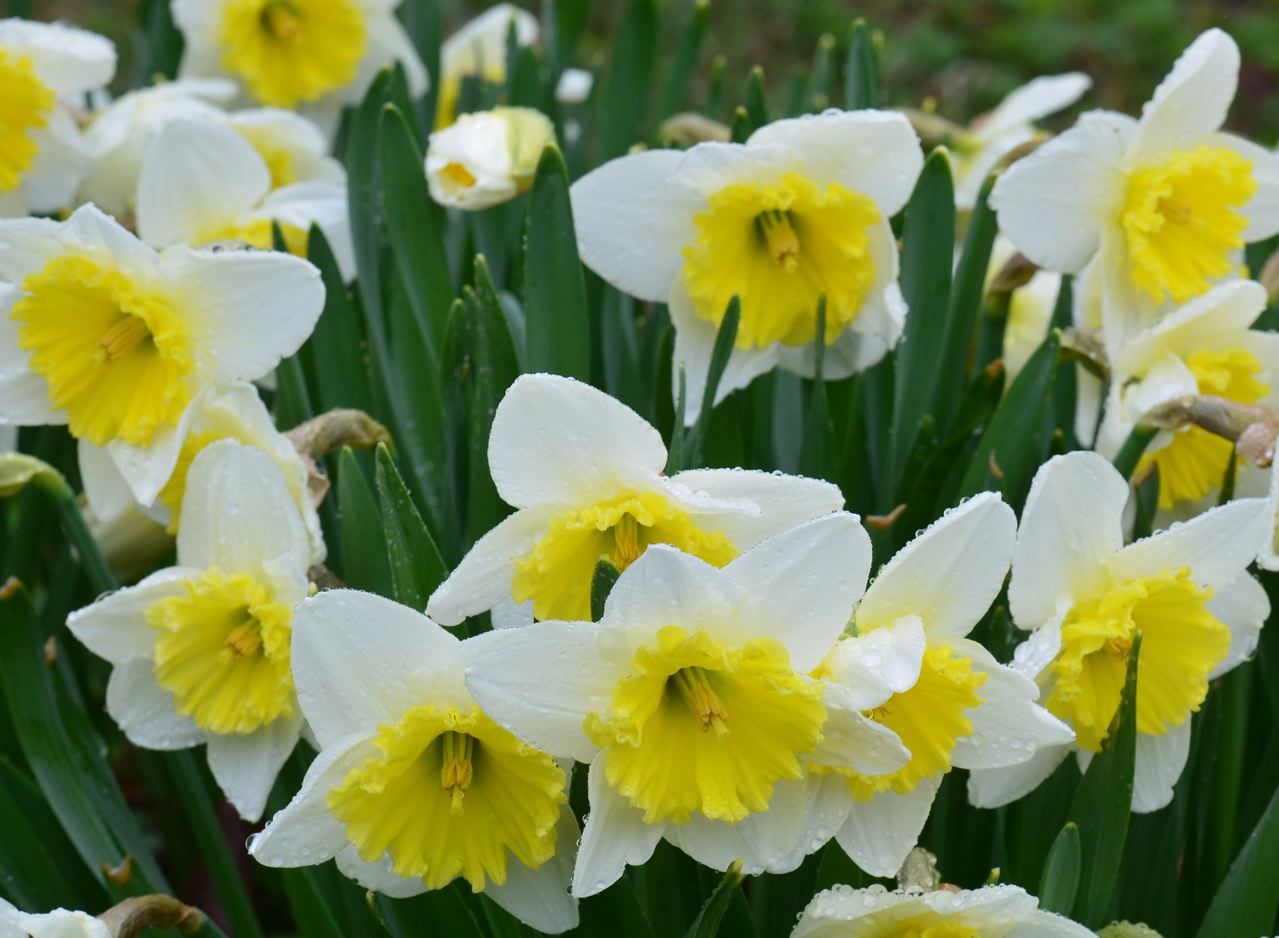
A Chorus of Daffodils 

White-throated Sparrow Zonotrichia albicollis

Praying Japanese Tree Peony 


American Goldfinch Spinus tristis reclaims its color


Daffodil Trumpets Announcing Spring 


Warmer moist days are bringing more migrating birds back to Flower Hill Farm and refreshing the colors of those birds that overwinter here. Spring's true arrival is casting off sepals revealing an array of colorful buds and blooms. The air is filled with the energies of excitement . . .  everywhere . . .  within the waking landscape and gardens. 


Related Posts with Thumbnails